
Wimberly Underwood, LCSW - Adolescents and Adults, Families
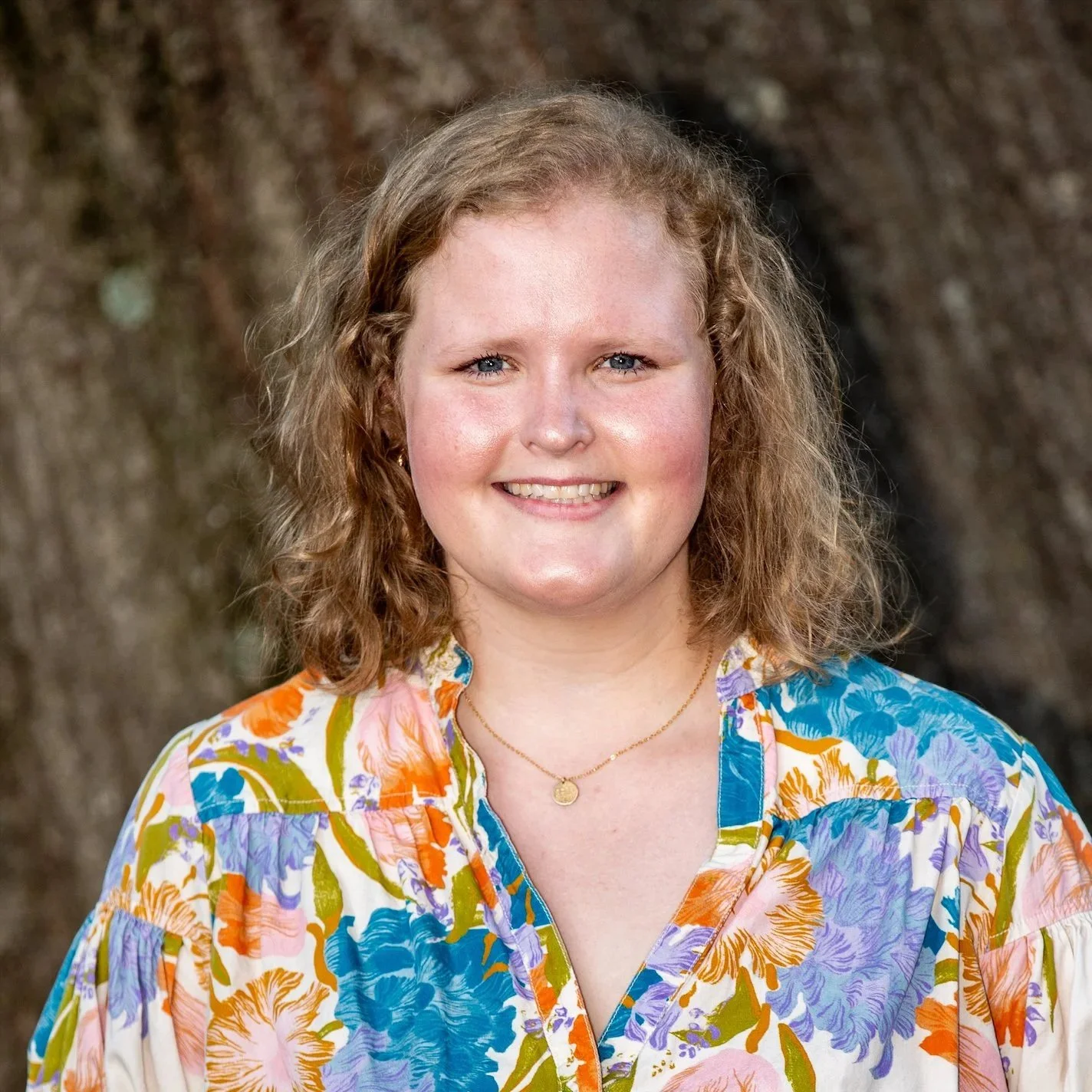
Hi, I’m Wimberly.
Life has a way of asking more of us than we feel prepared to give. Whether you're navigating a major transition, sitting with a grief that doesn't follow a timeline, or just trying to make sense of where you are and where you're headed — I want you to know that you don't have to figure that out alone.
I work with people across the lifespan, from teenagers stepping into the complexity of who they're becoming, to young adults finding their footing, to adults in the middle of big change, to older adults navigating the unique losses and transitions that come with later life. What I've found is that no matter the age, most of us are asking some version of the same questions: Who am I now? How do I move forward? Does any of this get easier? Those are the kinds of conversations I'm here for.
My work is especially focused on life transitions and grief — two experiences that often show up together, and that our culture doesn't always give us the space or the language to process. Whether you're grieving the loss of a person, a relationship, a version of yourself, or a life you thought you'd have, I believe that grief deserves to be honored rather than hurried. I also work with clients who are in the middle of transitions that might look positive on the outside but feel overwhelming or disorienting underneath — new jobs, moves, relationship changes, retirement, becoming a caregiver, or stepping into a new season of life.
I also work with people who are caregivers themselves, adult children caring for aging parents, spouses caring for a partner through illness, anyone who's become "the one who handles everything" for someone they love. That role comes with its own particular weight: guilt over needing a break, grief that starts long before an actual loss, and the quiet way people lose track of themselves while taking care of someone else. If that's you, I want you to know there's room here for your experience too, not just theirs.
In our work together, I draw primarily from Cognitive Behavioral Therapy (CBT), which means we'll look at the connection between your thoughts, feelings, and behaviors — and work together to shift the patterns that are keeping you stuck. My approach is collaborative and practical, but also warm. I want therapy to feel like a place where you can breathe, not another thing on your to-do list.
Reaching out is often the hardest part. Whatever brought you here, I'm glad you're considering it — and I'd be honored to walk alongside you.
-
Adolescents, Adults, and Older Adults
-
Great question, my first priority is always to assess what you need and tailor our work to that. But there are some specialties that I have:
CBT (Cognitive Behavioral Therapy)
Family Therapy
Caregiver Support
Grief Support
-
Before becoming a therapist, I spent years working in hospice care. I sat with families through some of the hardest days life hands anyone: watching someone they love decline, carrying the invisible weight of caregiving, and grieving losses that started long before the actual death. That work shapes everything about how I approach grief and family transitions today. I understand grief that doesn't move in a straight line, and I understand what it costs a family to hold everything together while someone they love needs care.
I also spent time teaching at Canterbury UMC, which is part of where my love for working across generations, teens through older adults, comes from.
-
My license is LCSW,
License #MSW010894